Market Research
Evolution of Market Surveys: From Face-to-Face Research to Digital Insights
Admin | Published on: Aug 12, 2026

Admin | Published on: Aug 12, 2026
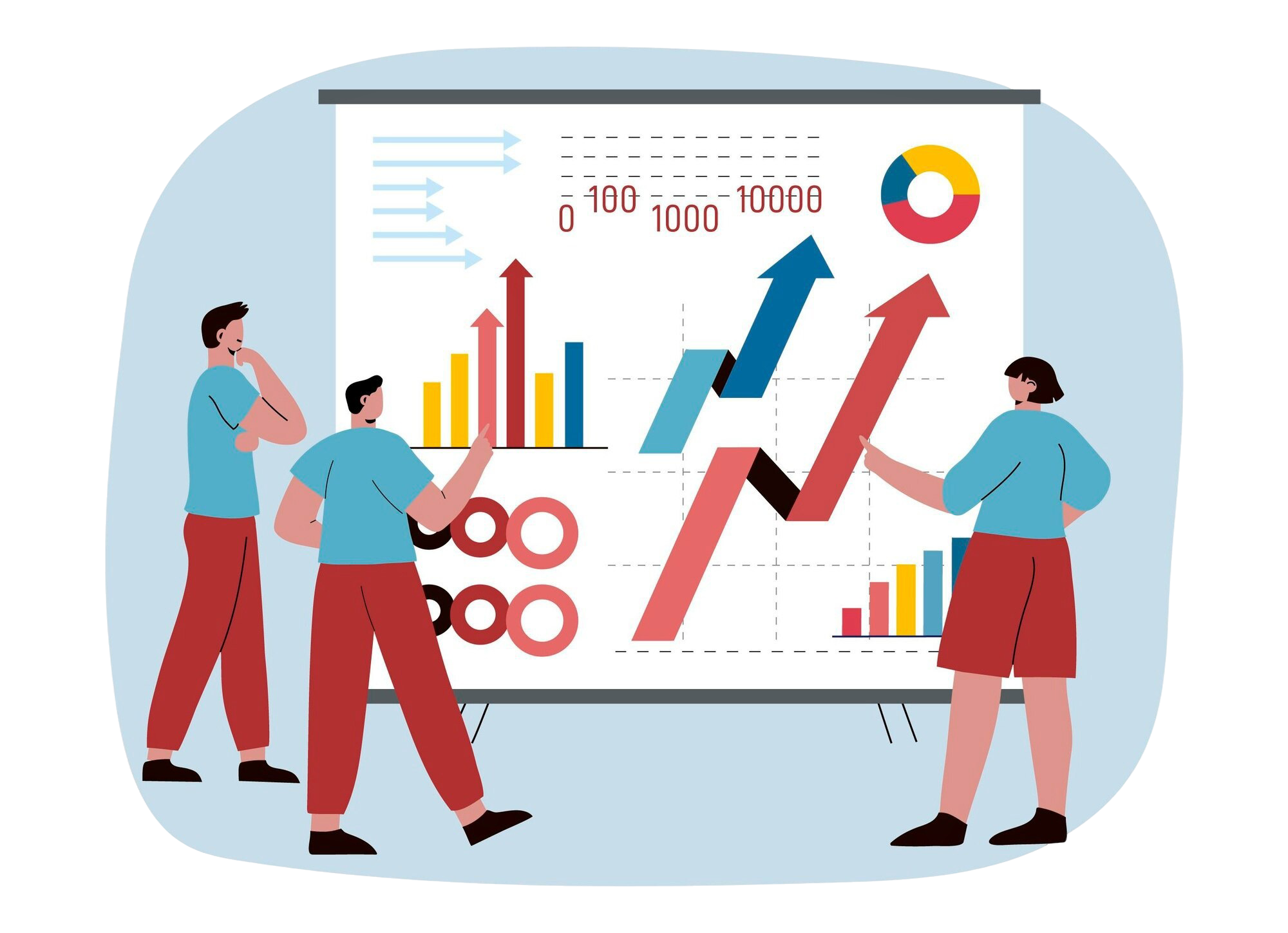
Market surveys have evolved from personal interviews and paper questionnaires into fast, technology-driven research programs. The goal, however, remains the same: understand people, markets, and opportunities well enough to make better decisions.
A market survey is a structured way of collecting information about customers, markets, products, competitors, and consumer preferences. Businesses use market surveys to understand what people need, how they make decisions, what influences their purchases, and whether an idea has the potential to succeed.
Today, market research can combine quantitative surveys with qualitative approaches such as interviews and group discussions. The technology used to collect that information has changed dramatically over time.
The roots of modern market research can be traced back to the growth of advertising and consumer research in the early twentieth century. Daniel Starch was one of the pioneers of this movement. In 1923, he established Daniel Starch and Staff, a research company that studied advertising effectiveness and consumer recognition.
Another major development came from George Gallup. His work demonstrated the importance of systematic sampling and public opinion measurement. In 1935, he established the American Institute of Public Opinion, which became known for the Gallup Poll. His organization later expanded its research beyond politics into areas such as consumer preferences and other aspects of public opinion.
These developments helped move research away from simply asking large numbers of people questions toward designing structured methods for selecting participants and interpreting their responses.
For many years, researchers depended heavily on face-to-face interviews, telephone calls, mailed questionnaires, and paper forms. These approaches could provide valuable information, but they also required considerable time, staffing, and administrative effort.
The arrival of computers changed how research data could be stored and analyzed. Later, the internet introduced another major transformation: online surveys.
Digital surveys made it possible to reach geographically distributed audiences without relying entirely on physical interviews. Questionnaires could be shared through links, email, websites, and other digital channels, while responses could be collected directly into structured datasets.
Modern research platforms have brought several parts of the research process together. Researchers can now design questionnaires, apply logic and validation, distribute surveys, monitor responses, and analyze results within connected workflows.
This has also changed the expectations around market research. Businesses increasingly want faster feedback, more targeted research, and the ability to monitor customer opinions continuously rather than relying only on occasional large studies.
Features such as branching logic, multilingual surveys, quota management, real-time dashboards, and multiple distribution methods make it possible to create more targeted research experiences while reducing repetitive manual work.
Today's market survey is no longer limited to asking a fixed set of questions and compiling the answers later. A respondent's answers can determine which questions they see next, different audience groups can receive different survey paths, and research teams can monitor incoming responses while fieldwork is still underway.
Platforms such as RomaScript support this modern approach by bringing questionnaire creation, survey logic, distribution, response monitoring, analytics, and data export into one research workflow. This allows research teams to move from questionnaire design to usable insights more efficiently.
The evolution of market surveys is far from over. Artificial intelligence, automation, advanced analytics, and increasingly connected data sources are creating new possibilities for researchers.
Yet the fundamental principle has remained surprisingly consistent for more than a century: better decisions begin with a better understanding of people.
The tools have changed—from interviews and printed questionnaires to online research platforms—but the purpose of market research remains the same: listen to the market, understand the evidence, and use those insights to make more informed decisions.
The history of market surveys is a story of continuous improvement. What began with relatively manual approaches has developed into a technology-enabled research discipline capable of reaching audiences quickly and analyzing information at scale.
For modern businesses, the opportunity is not simply to collect more data. It is to collect the right data, from the right people, in a way that produces meaningful insights. That is where today's survey platforms can make a difference.